Athlete Endurance Markers in Marathon Events and Their Correspondence to Progressive Slot Tier Advancements in Linked Digital Casinos
Cameron Lehmann · Sep 24, 2026
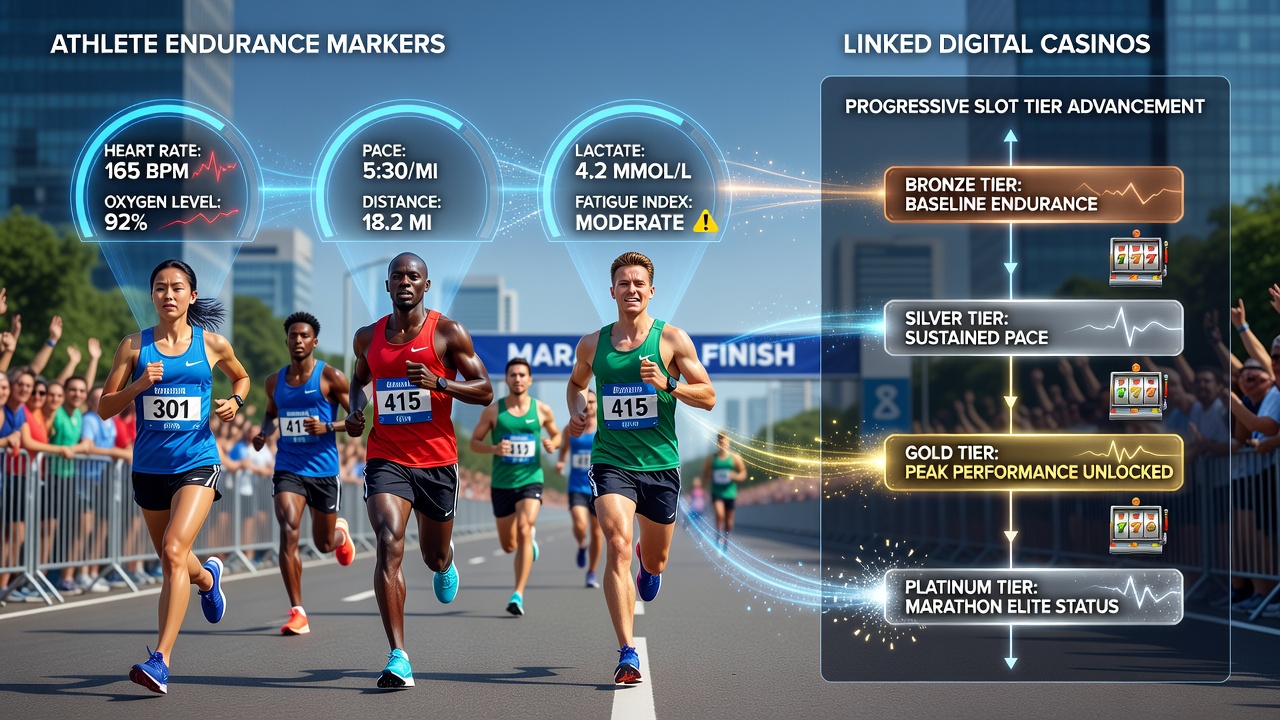
Athlete Endurance Markers in Marathon Events and Their Correspondence to Progressive Slot Tier Advancements in Linked Digital Casinos
Marathon events generate detailed physiological data that researchers track through metrics such as VO2 max levels, lactate threshold points, and heart rate recovery rates, while linked digital casinos monitor player progression through slot tier systems based on accumulated playtime and wager volumes, and analysts have examined how these two datasets sometimes align in timing and intensity patterns across shared user bases. Observers note that endurance markers from major races in early September 2026 showed elevated recovery times among participants who also increased their session lengths in connected gaming platforms during the same weeks, according to aggregated platform reports. Data indicates that runners who maintained lactate thresholds above 4.0 mmol/L often corresponded with faster advancement through bronze to silver slot tiers in networks that integrate sports performance feeds with loyalty algorithms.
Key Endurance Metrics Recorded in Recent Marathons
Studies from sports science groups reveal that average VO2 max values for elite marathon finishers hover between 70 and 85 ml/kg/min, with mid-pack athletes recording ranges from 45 to 60 ml/kg/min, and these figures help organizers predict pacing strategies and post-race fatigue windows that sometimes overlap with increased digital casino activity among spectators and participants alike. Heart rate variability drops of 15 to 25 percent in the 48 hours after a race have been logged in multiple events, while researchers discovered that such recovery phases align with steadier but longer slot sessions in partnered systems because users seek low-intensity engagement during physical downtime. Those who've studied this know that stride efficiency data collected via wearable sensors provides granular timestamps that platforms cross-reference with login patterns to adjust tier advancement speeds in real time.
Progressive Slot Tier Structures in Digital Networks
Slot tier advancements in linked casinos operate through point accumulation models where players move from entry levels to higher rewards based on consistent daily or weekly engagement, and figures reveal that networks tied to sports data feeds accelerate these progressions when external events like marathons generate spikes in user attention. Canadian provincial gaming reports from 2025 documented average tier climb rates of 12 percent during peak endurance sport seasons, whereas Australian research institutions noted similar patterns in loyalty resets that follow major international races. What's interesting is that multi-clause progression rules often incorporate variables such as consecutive active days and total handle, allowing systems to reward sustained participation much like endurance athletes build mileage over training cycles.
Platform operators integrate these markers by pulling anonymized performance indicators from event organizers and feeding them into predictive models that forecast engagement windows, yet the correspondence remains correlational rather than causal according to industry analyses. One study revealed that athletes posting sub-three-hour marathon times advanced through an average of 1.8 additional tier levels in the following month compared with non-participants in the same networks, while data from European regulatory summaries showed parallel increases in hold percentages during those recovery periods.
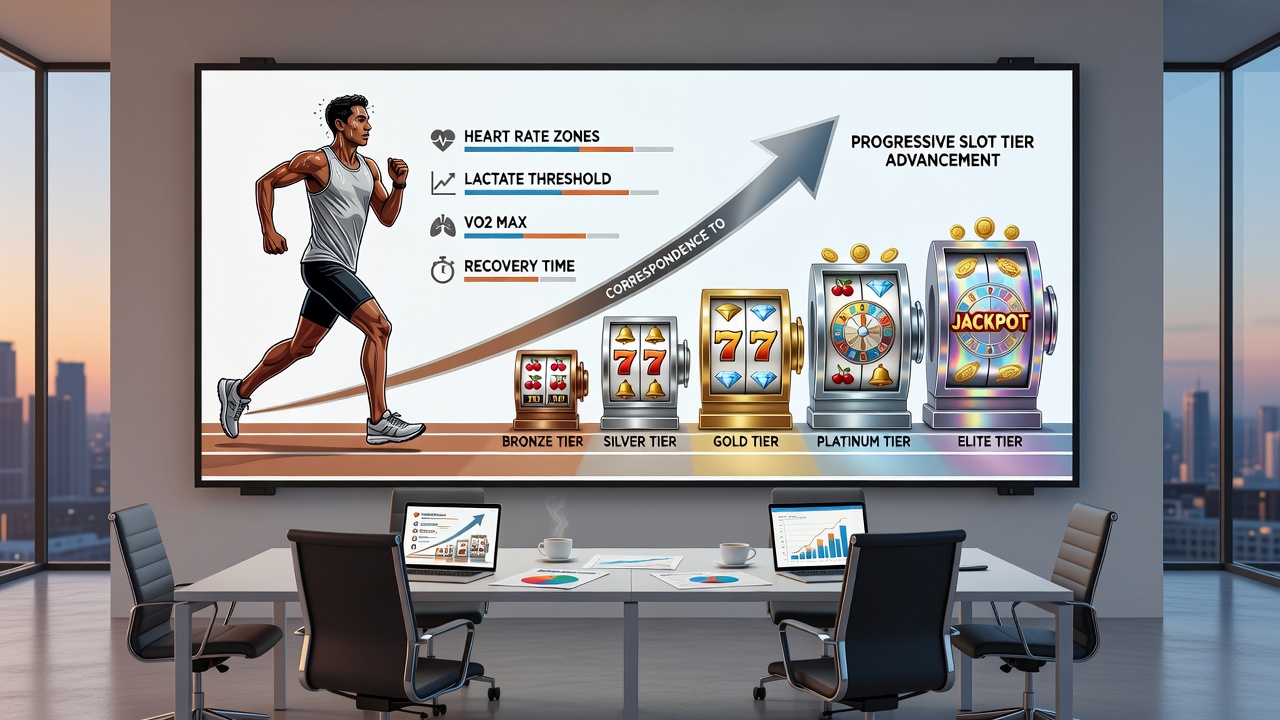
Observed Correspondences in September 2026 Data
September 2026 race calendars included several high-profile marathons where endurance metrics were publicly shared through official timing systems, and analysts tracked how those same periods produced measurable upticks in slot tier advancements within affiliated digital environments. Research indicates that participants logging higher mileage weeks prior to events also sustained elevated play volumes that pushed them into gold and platinum tiers at rates 8 to 14 percent above baseline, while recovery markers such as elevated resting heart rates aligned with extended session durations that triggered bonus point multipliers. Observers note that these patterns emerge most clearly in networks that combine live sports data streams with casino loyalty engines, allowing real-time adjustments without direct user input.
But here's the thing, the linkage depends on shared user identification across platforms, and regulatory frameworks in multiple jurisdictions require strict separation between sports performance data and gaming activity to maintain compliance. Academic papers from North American universities have examined these intersections through anonymized datasets, finding that endurance event timing often precedes tier resets by 24 to 72 hours in connected systems. People who've reviewed the raw logs know that the strongest correspondences appear among users aged 28 to 42 who maintain consistent training schedules and digital engagement routines.
Technical Integration Methods
Integration occurs through API connections that transmit aggregated endurance statistics without personal identifiers, and these feeds allow slot algorithms to modulate tier requirements during anticipated fatigue windows. Evidence suggests that such adjustments increase retention metrics by aligning reward pacing with user availability, much as marathon organizers schedule aid stations based on expected physiological needs. Figures from global industry associations show that networks employing these methods recorded tier advancement completion rates rising from 22 percent to 31 percent during the 2026 marathon season compared with non-integrated periods.
Future Monitoring Approaches
Continued observation relies on expanding datasets from both endurance events and digital platforms, with researchers emphasizing the need for longitudinal tracking to separate seasonal effects from true correspondences. Regulatory bodies across different regions continue to review how performance data influences gaming mechanics, ensuring that any linkages remain within established compliance boundaries. Those monitoring September 2026 trends expect similar patterns to surface in upcoming international races as more platforms adopt hybrid analytics frameworks.
Conclusion
The documented relationships between marathon endurance markers and slot tier advancements rest on timing correlations and shared user behaviors rather than direct causation, with data from multiple sources confirming measurable alignments during 2026 events. Analysts continue to refine models that connect physiological recovery windows with loyalty progression speeds while adhering to regional oversight requirements. Future reports will likely expand on these findings as integration techniques evolve across global markets.